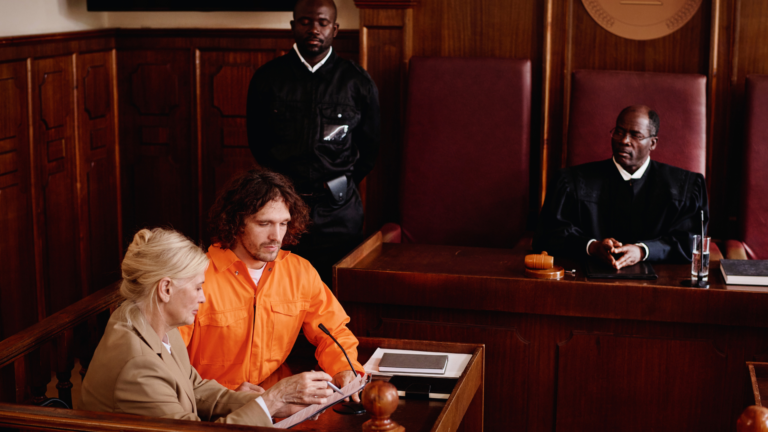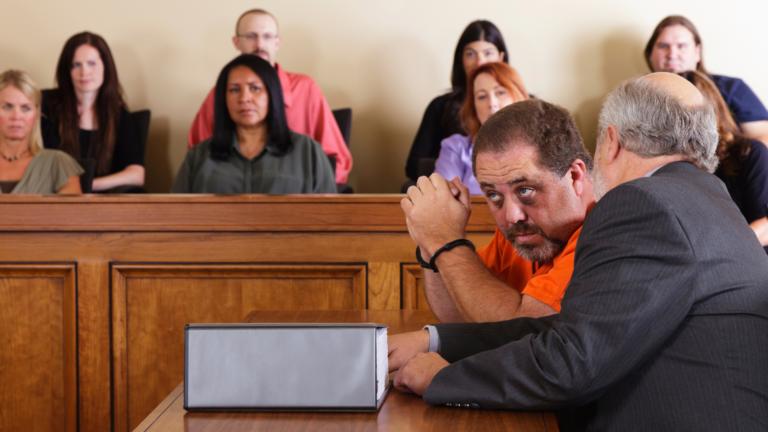


Criminal defense attorneys play a vital role in the criminal justice system by ensuring that individuals accused of crimes receive a fair trial. Their primary responsibility is to represent the accused, protecting their rights and advocating for justice throughout the legal process. This representation is essential, as it helps maintain the balance of justice, preventing wrongful convictions and ensuring that every defendant receives a robust defense.
These attorneys not only provide legal counsel but also navigate complex legal procedures, which can be overwhelming for someone without legal expertise. They gather evidence, interview witnesses, and develop strategies aimed at achieving the best possible outcome for their clients. By doing so, they contribute to the integrity of the judicial system, making sure that justice is served for both the accused and society as a whole.
Moreover, the presence of a skilled defense attorney reinforces the principle that everyone is innocent until proven guilty. Their work highlights the importance of due process, ensuring that all parties involved in the legal system play their roles according to established laws. This commitment to justice and fairness is a cornerstone of a healthy democracy.
Fundamentals of Criminal Defense
Criminal defense involves essential components that protect the rights of the accused and uphold the integrity of the legal system. The role of the defense attorney is critical, as is understanding constitutional rights and the overall framework of the justice system.
Role of the Defense Attorney
The defense attorney acts as an advocate for the accused, ensuring their rights are protected throughout the legal process. They conduct investigations, gather evidence, and develop a defense strategy tailored to each case.
Attorneys represent their clients during trials, plea negotiations, and sentencing. They challenge the prosecution’s case, scrutinizing evidence and questioning witnesses to create reasonable doubt.
Through effective communication, they inform clients about their options, possible outcomes, and risks involved in legal proceedings. This guidance is crucial for making informed decisions.
Understanding the Justice System
The justice system comprises various entities, including law enforcement, prosecution, and the courts. Each plays a distinct role in maintaining law and order while safeguarding civil liberties.
Criminal cases typically begin with an arrest, followed by arraignment and pre-trial hearings. At each stage, defense attorneys ensure the accused is treated fairly and that legal protocols are observed.
Knowledge of court procedures, evidentiary rules, and legal precedents is vital for defense attorneys. This expertise allows them to navigate complex legal landscapes effectively.
Constitutional Rights and Defense
Constitutional rights provide the foundation of criminal defense. The Sixth Amendment guarantees the right to a fair trial, legal representation, and the ability to confront witnesses.
Defenders must be aware of constitutional protections, such as the Fourth Amendment’s safeguard against unreasonable searches and seizures. These rights influence case strategies and potential defenses.
A violation of these rights can lead to evidence being inadmissible in court, significantly impacting the prosecution’s case. Defense attorneys leverage these protections to advocate for their clients and uphold justice.
Defense Strategy and Representation
Criminal defense attorneys play a crucial role in forming effective defense strategies while ensuring ethical representation of their clients. This involves a blend of negotiation skills and adherence to legal and ethical standards.
Developing a Strong Legal Defense
A strong legal defense begins with thorough case analysis. Defense attorneys assess evidence, witness statements, and police reports to identify potential weaknesses in the prosecution’s case.
Key components of an effective defense strategy include:
- Investigating Evidence: Gathering supporting evidence that can refute claims made by the prosecution.
- Witness Interviews: Speaking with witnesses to glean insights that may bolster the defense.
- Creating a Narrative: Crafting a coherent story that aligns with the evidence and counters the prosecution’s narrative.
By focusing on these aspects, defense attorneys can build a realistic strategy aimed at securing a favorable outcome for their clients.
Plea Bargains and Negotiations
Plea bargains are vital tools in the criminal defense process. They allow defendants to plead guilty to lesser charges in exchange for more lenient sentences.
Defense attorneys negotiate these deals by considering:
- Strength of the Evidence: Assessing whether the available evidence supports proceeding to trial.
- Client’s Best Interests: Making recommendations based on what is most beneficial for the client in their specific situation.
- Prosecution’s Position: Understanding the motivations and weaknesses of the prosecution to leverage a more favorable deal.
This negotiation process is critical, as it can significantly impact the outcome of a case.
Ethical Considerations for Defense Attorneys
Defense attorneys must navigate a range of ethical considerations while representing their clients. They are bound by professional conduct rules that prioritize the client’s rights and dignity.
Key ethical responsibilities include:
- Confidentiality: Protecting all communications between the attorney and client.
- Zealous Representation: Advocating fully for the client within the bounds of the law.
- Informed Consent: Ensuring that clients understand potential risks and benefits associated with their defense strategies and decisions.
By adhering to these standards, defense attorneys maintain the integrity of the legal process while effectively representing their clients.
Trial Process and Litigation
The trial process includes several critical stages that shape the outcome of a case. Key components such as jury selection, presenting evidence, and cross-examination play a significant role in how effectively a defense attorney can advocate for their client.
Jury Selection and Court Proceedings
Jury selection is pivotal in setting the stage for a trial. Both the defense and prosecution participate in this process, often using voir dire to assess potential jurors’ biases or preconceived notions about the case. Each side has the opportunity to challenge and remove jurors through peremptory strikes or for specific causes.
Once the jury is selected, court proceedings commence with the judge outlining the case’s rules and procedures. The prosecution presents its case first, followed by the defense, which often aims to create reasonable doubt about the prosecution’s claims, emphasizing the burden of proof lies with the prosecution.
Opening Statements and Presenting Evidence
Opening statements provide a roadmap for the jury. The defense attorney outlines their strategy and what they intend to prove, setting the tone for the trial. Following these statements, the prosecution presents its evidence, which may include witness testimonies, documents, and physical evidence.
The defense subsequently presents its evidence in an attempt to counter the prosecution’s case. This stage is crucial as it allows the defense to humanize their client and highlight inconsistencies in the prosecution’s narrative. Every piece of evidence must adhere to strict rules of admissibility to ensure fairness in the proceedings.
Cross-Examination of Witnesses
Cross-examination is a critical tool in the hands of a defense attorney. Through this process, the attorney challenges the credibility of prosecution witnesses, aiming to uncover inconsistencies and biases in their testimonies. Effective cross-examination can significantly undermine the prosecution’s case.
The defense attorney strategically formulates questions to elicit responses that favor their client’s position. This dynamic exchange not only provides the jury with an alternative perspective but can also leave a lasting impression regarding the reliability of the evidence presented.
Aftermath of the Criminal Trial
The aftermath of a criminal trial involves significant legal processes that can affect the accused’s future. Key elements include sentencing decisions and the potential for appeals or post-trial motions, both of which are critical stages in the criminal justice system.
Sentencing and Fair Punishment
Following a conviction, the sentencing phase addresses the consequences for the defendant. The prosecution and defense attorney present arguments regarding the appropriate punishment, taking into account factors like the severity of the crime, prior criminal history, and mitigating circumstances.
Judges strive for fair sentencing, which aims to balance punishment with rehabilitation. The attorney may advocate for alternatives to incarceration, such as probation or community service, based on the defendant’s background and the nature of the crime. Sentencing can greatly influence the defendant’s life, affecting their rights and opportunities for reintegration into society.
Appeals and Post-trial Motions
After sentencing, a defendant may seek to appeal the conviction. Appeals challenge legal errors that may have occurred during the trial, such as improper jury instructions or inadmissible evidence. The defense attorney plays a crucial role in identifying viable grounds for appeal and preparing the necessary documentation.
Additionally, post-trial motions can address issues like newly discovered evidence or procedural errors. These motions could potentially alter the outcome of the trial or lead to a retrial. The complexity of these processes underscores the importance of skilled legal representation in navigating the aftermath of a criminal trial.