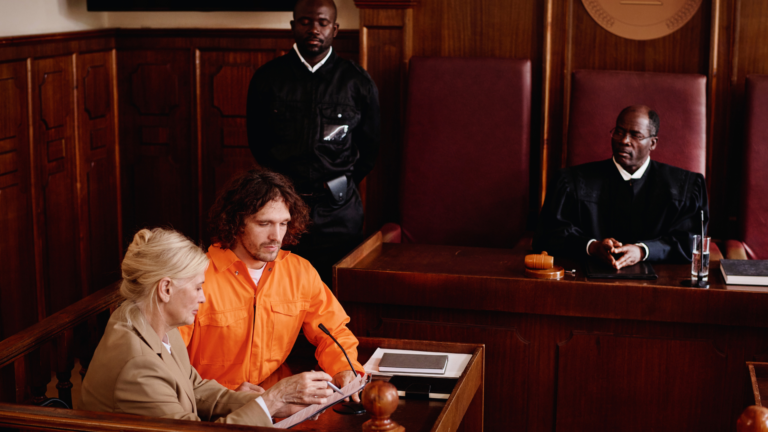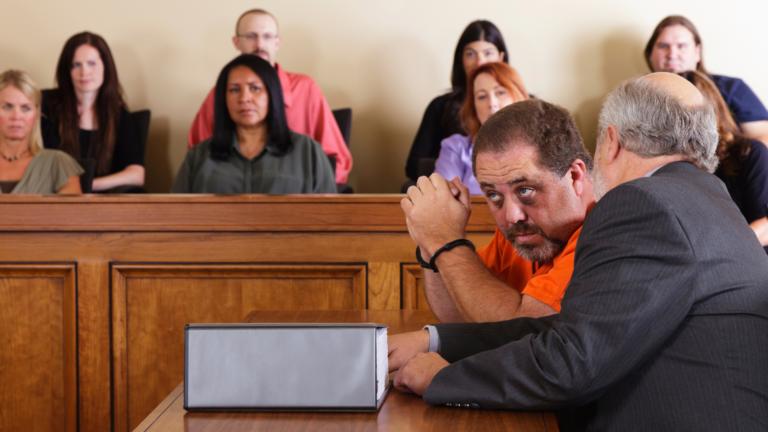


Many individuals hold misconceptions about criminal law that can skew their understanding of the justice system. A prevalent myth is that all defendants are guilty until proven innocent, which contradicts the foundational principle of “innocent until proven guilty.” Clarifying these misconceptions can lead to a more informed public perception of criminal justice.
Another common belief is that the legal process is swift and straightforward, while the reality is often far more complex and drawn-out. The public may assume that all crimes lead to immediate punishment, yet numerous factors can influence case outcomes, from plea deals to lengthy investigations. Acknowledging the intricacies of the criminal justice system sheds light on the challenges faced by legal professionals and defendants alike.
Misconceptions can perpetuate stigma and hinder meaningful discussions about justice. By addressing these myths, a clearer picture emerges, fostering a better understanding of both the law and its implications for society. Engaging with these misconceptions is essential for anyone interested in the nuances of criminal law and its impact on justice.
Exploring the Criminal Justice System
The criminal justice system involves various roles and a structured process to address criminal cases. Understanding these components is essential for comprehending how justice is served and the protections afforded to individuals.
Roles and Responsibilities in Criminal Law
Key participants in the criminal justice system include law enforcement officers, prosecutors, defense attorneys, judges, and juries. Each role has distinct responsibilities.
- Law Enforcement: Responsible for investigating crimes and gathering evidence. They initiate the legal process by making arrests when appropriate.
- Prosecutors: Represent the state or government, tasked with proving the defendant’s guilt. They hold the burden of proof and decide whether to pursue a case.
- Defense Attorneys: Advocate for the accused, ensuring their rights are protected throughout the legal process. They may negotiate plea bargains to achieve case outcomes favorable to their clients.
- Judges: Oversee court proceedings, maintain order, and ensure that legal standards are followed. They also determine appropriate sentences.
- Juries: Composed of citizens tasked with evaluating evidence and determining guilt or innocence in cases that go to trial.
The Process of Criminal Cases
Criminal cases follow a specific legal process, beginning with arrest and ending with a verdict. This process is designed to uphold due process rights.
- Arrest: A suspect is apprehended based on probable cause, leading to formal charges.
- Charging: The prosecutor files formal charges, outlining the alleged crimes.
- Arraignment: The accused appears in court to enter a plea (guilty, not guilty, or no contest).
- Pre-Trial Motions: Various motions may be filed, including those challenging evidence or seeking dismissals.
- Plea Bargaining: Most cases are resolved through negotiations, where the defendant pleads guilty to lesser charges in exchange for reduced sentences.
- Trial: If no plea agreement is reached, the case proceeds to trial, where evidence is presented.
- Verdict: The jury or judge renders a verdict, leading to potential sentencing or acquittal.
Navigating this complex system requires understanding the roles involved and the legal procedures that govern criminal cases.
Myths Surrounding Legal Representation
Misconceptions about legal representation can lead to confusion regarding the roles of different types of attorneys and the rights of defendants. Clarifying these myths is important for understanding the criminal justice system.
Public Defenders vs. Private Attorneys
A common myth is that public defenders are less effective than private attorneys. In reality, both types of legal representation can be competent. Public defenders often have significant experience in criminal defense, as they handle many cases. They are dedicated to ensuring fair representation for their clients, despite having larger caseloads.
Private attorneys may offer more personalized service, but that does not guarantee better outcomes. Costs associated with hiring a private attorney can be prohibitive for many. Ultimately, the effectiveness of either type of lawyer largely depends on individual experience and resources rather than their public or private status.
The Right to Effective Representation
Another misconception is that every defendant automatically receives effective legal representation. The right to an attorney exists, but this does not always translate to effective advocacy. Defendants must ensure their attorney has the necessary trial experience and knowledge of criminal law.
Ineffective representation can occur when an attorney is overwhelmed by cases or lacks specific expertise. This can jeopardize the defendant’s ability to secure a fair trial. Understanding this distinction is crucial for anyone navigating the legal system. Individuals should strive for attorneys who prioritize their rights and possess the necessary skills for their defense.
Challenging Misconceptions of Guilt and Innocence
Understanding the principles of guilt and innocence in criminal law illuminates the fundamental protections afforded to individuals. The concepts of presumption of innocence and the burden of proof are essential in combating wrongful convictions and ensuring fair trials.
Presumption of Innocence and Burden of Proof
The presumption of innocence is a cornerstone of criminal law. Individuals are considered innocent until proven guilty, meaning the prosecution bears the burden of proof.
Legal standards require substantial evidence to establish guilt beyond a reasonable doubt. This high threshold ensures that the risk of wrongful convictions is minimized. Jurors must rely on this principle, reminding them of their responsibility to assess evidence critically before reaching a verdict.
In practice, securing this presumption can be challenging, particularly in media-driven cases where public opinion may skew perceptions of guilt. The influence of society can often lead to misconceptions about an accused person’s character, affecting the judgment of juries.
Implications of Witness Testimony and Criminal Records
Witness testimony plays a crucial role in criminal proceedings, but it is not infallible. Memories can be unreliable, and biases may skew a witness’s account. Misleading or faulty testimony has led to wrongful convictions in numerous cases, highlighting the necessity of corroborated evidence.
Additionally, having a criminal record does not equate to guilt in a new case. Past offenses should not overshadow an individual’s right to a fair trial. Jurors and the public alike must recognize that each case must be evaluated on its own merits, rather than through the lens of prior conduct.
Understanding these factors helps to challenge inaccuracies surrounding guilt and innocence, reaffirming the commitment to justice and equity in the legal system.
Societal Impacts on Criminal Law Perception
Perceptions of criminal law are significantly shaped by societal factors, including socioeconomic status and media representation. These elements influence how justice is viewed and can lead to misunderstandings regarding various types of crimes and the legal responses to them.
Influence of Socioeconomic Status
Socioeconomic status deeply affects public perception of fairness and justice within the criminal law system. Those from lower socioeconomic backgrounds often face harsher scrutiny and consequences for drug offenses and other crimes.
In contrast, individuals from wealthier backgrounds may engage in white-collar crimes yet receive leniency due to their status. This disparity fosters a belief that the legal system is biased, undermining trust in judicial processes and rehabilitation efforts.
Furthermore, media portrayals of crimes often emphasize violent acts by marginalized groups, perpetuating stereotypes. These narratives can skew public opinions, leading to calls for stricter laws and increased punitive measures.
Media and True Crime Narratives
Media coverage and true crime narratives play a pivotal role in shaping perceptions of criminal law. They often dramatize criminal events, emphasizing sensationalism over facts, which can lead to distorted views on the prevalence and nature of crime.
True crime shows frequently highlight violent crimes while downplaying white-collar offenses, leading the public to perceive violent crime as more common. This creates an environment of fear and misperception regarding actual crime rates and the effectiveness of law enforcement.
Moreover, media representation can result in a misunderstanding of prosecutorial misconduct. Instead of focusing on systemic issues, narratives often blame individual actors, obscuring the complexity of legal challenges. By influencing societal perceptions, media can impact discussions around legal reform and justice system accountability.