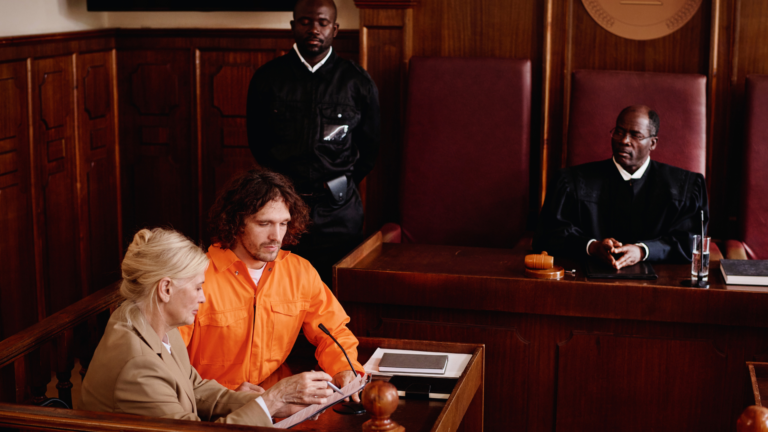


Self-defense is a complex legal concept that varies significantly across jurisdictions. Knowing when to use self-defense as a legal strategy is crucial for anyone navigating potential legal disputes involving physical altercations. This legal right allows individuals to protect themselves from imminent harm, but understanding the specific self-defense laws and legal definitions in place is essential.
In many cases, self-defense can be invoked when an individual reasonably believes they are facing an immediate threat. This belief must be supported by evidence that justifies the response taken during the incident. The nuances of self-defense laws mean that individuals should carefully assess the circumstances and consult legal expertise before relying on this defense in court.
It is important for individuals to recognize that claiming self-defense requires more than just the act of defending oneself. The justification for using self-defense must fall within the established legal parameters, which can include determining whether the response was proportional to the threat faced. Understanding these critical aspects can significantly impact the outcome of legal proceedings.
Legal Foundations of Self-Defense
Self-defense as a legal strategy is rooted in specific legal principles. These principles guide an individual’s assessment of threats and the appropriateness of their response. The critical components of self-defense include reasonable belief, the principle of imminence, and the concept of proportionality.
Understanding Reasonable Belief and Force
Reasonable belief refers to a person’s perception of a threat requiring immediate action. It is based on what a reasonable person would perceive in a similar situation. If a person genuinely believes they face imminent danger, their belief may justify the use of force in defense.
The law examines the circumstances surrounding the event to determine if the belief was reasonable. This may include factors like the context of the confrontation and any prior interactions between the parties involved. Verifying these perceptions is crucial for establishing a legitimate self-defense claim.
The Principle of Imminence in Self-Defense
Imminence is essential in self-defense claims; threats must be immediate. The law does not support preemptive strikes against perceived future dangers. For self-defense to apply, there must be an imminent threat of harm or attack.
This principle helps delineate when force is permissible. If a threat is ongoing or about to occur, the individual may act to defend themselves. They cannot, however, initiate a preemptive attack if there is no immediate threat present.
Proportionality and Excessive Force
Proportionality requires that the force used in self-defense must be appropriate to the threat faced. It prohibits actions that exceed what is necessary to neutralize the threat. For instance, if an individual faces a minor threat, responding with lethal force may be seen as excessive.
Courts assess this by comparing the level of force used against the perceived threat. The goal is to ensure that the response is measured and not retaliatory. This legal restraint is crucial in determining the legitimacy of a self-defense claim.
Statutory Interpretations and Variations
The application of self-defense laws varies significantly across jurisdictions. Key elements such as the duty to retreat, laws regarding the defense of property and others, and the implications of the castle doctrine shape legal strategies related to self-defense.
Duty to Retreat vs. Stand Your Ground
The duty to retreat requires an individual to avoid confrontation, if safely possible, before resorting to force. Some states, like California, adhere to this principle, mandating that an individual must retreat when facing an imminent threat unless they are in their home.
In contrast, stand-your-ground laws eliminate the duty to retreat. Under these laws, individuals can use force without retreating, even in public spaces. For instance, many southern states adopt this approach, allowing individuals to defend themselves without the obligation to withdraw first, provided they are in a lawful place.
Defense of Others and Property
Defense of others allows individuals to use reasonable force to protect another person from harm. This legal concept is generally accepted across various jurisdictions. The key consideration is whether the defender reasonably believed that the other person was in imminent danger.
Defense of property involves using reasonable force to protect one’s possessions. This right varies significantly; some states permit only non-lethal force, while others allow lethal force in extreme situations. Understanding the specific statutes governing these defenses in a given jurisdiction is crucial, as misapplication may lead to severe legal consequences.
Understanding Castle Doctrine
The castle doctrine allows individuals to use force, including lethal force, to defend themselves within their homes. This legal principle is rooted in the belief that one’s home is a place of refuge where individuals should feel secure from threats.
Under this doctrine, many jurisdictions do not impose a duty to retreat when a threat is inside one’s home. For example, homeowners in states recognizing this doctrine can stand their ground against intruders. Understanding local laws regarding the castle doctrine is essential, as its application can vary dramatically between states.
The Self-Defense Claim in Criminal Trials
The legal strategy of self-defense in criminal trials hinges on a combination of careful evaluation of evidence and the burden of proof at play. Understanding the nuances of how self-defense operates within the legal system clarifies its complexities.
Burden of Proof and Legal Representation
In self-defense cases, the burden of proof predominantly lies with the prosecution. The state must demonstrate beyond a reasonable doubt that the defendant did not act in self-defense. If a defendant asserts self-defense, legal representation becomes crucial.
An attorney will need to construct a compelling case. This includes demonstrating that the defendant reasonably believed they were under threat. Legal representation plays a key role in navigating the intricacies of legal doctrine surrounding self-defense, ensuring that the right arguments are made during trial.
Evaluating Evidence and Witness Testimony
Evaluating evidence in self-defense claims includes examining physical and circumstantial evidence. This may also entail analyzing police reports, photographs, and forensic data. Witness testimonies can significantly impact the case, as they may provide first-hand accounts of the incident.
The credibility of witnesses is essential. The defense may present witnesses to affirm the defendant’s perception of imminent danger. Cross-examination of prosecution witnesses will focus on inconsistencies. This aspect of the trial can sway jurors and significantly influence outcomes.
Outcomes: Acquittal vs. Legal Repercussions
The outcome of self-defense claims can vary widely. An acquittal occurs when the jury finds that the defendant reasonably acted in self-defense. This means that the use of force was proportional to the perceived threat.
Conversely, if the jury determines that the defendant was the initial aggressor or that the force used was excessive, legal repercussions may follow. This could lead to charges ranging from assault to murder. Imperfect self-defense, wherein the defendant believed force was necessary but was mistaken about the threat level, may result in lesser charges. Understanding these outcomes shapes the strategic approach to self-defense claims in criminal trials.
Practical Considerations and Legal Advice
Navigating self-defense as a legal strategy requires careful thought and legal expertise. Key factors include knowing when to consult a defense attorney, understanding the significance of physical evidence, and developing effective defense strategies.
When to Contact a Criminal Defense Attorney
Timely consultation with a criminal defense attorney is crucial if self-defense is invoked. An attorney can provide guidance on the intricacies of the law regarding self-defense claims. Legal professionals can assess the specifics of the case, such as whether the individual faced an immediate threat of harm.
They can help determine if the use of force was reasonable and necessary. Engaging a lawyer early on enables better preparation for potential charges, such as those related to serious bodily injury or great bodily harm. They can also assist in gathering crucial evidence and witness testimonies.
The Importance of Physical Evidence
Physical evidence plays a critical role in substantiating self-defense claims. It can include photographs of injuries, any weapons involved, and video recordings of the incident. This evidence helps establish the nature of the threat and the appropriateness of the response.
Additionally, documentation of immediate threats to personal safety can support claims of reasonable fear. Properly collected evidence aids the defense in demonstrating that the use of force was necessary and a last resort. Neglecting this aspect can weaken a self-defense argument and negatively impact the case outcome.
Strategies for Legal Defense
A sound legal defense strategy is essential when asserting self-defense. This includes gathering all relevant evidence, including witness accounts and medical records, to establish the context of the incident. Counsel may guide defendants in articulating their perspective about the imminent harm they faced.
In preparing for a trial, focusing on the principle of proportionality is important. This means demonstrating that the force used was not excessive compared to the threat faced. Options for non-dead force should also be explored. A comprehensive approach will enhance the chances of a favorable outcome in court.